AI chatbot characters are virtual personalities powered by artificial intelligence that can engage in realistic conversations, maintain consistent personalities, and adapt their responses based on user interactions. Unlike traditional chatbots that follow scripted responses, these AI companions use advanced language models to create dynamic, personalized conversations that feel genuinely human-like.
If you've ever wanted to chat with a fictional character, historical figure, or custom personality that understands context and remembers your conversations, AI chatbot characters make that possible. This guide explains exactly how they work, what makes them different from regular chatbots, and how you can start using them today.
What Is an AI Chatbot Character?
An AI chatbot character is a conversational AI system designed with a specific personality, background, appearance, and set of traits that remain consistent across interactions. Think of it as a digital person with their own unique way of speaking, interests, knowledge base, and emotional responses.
These characters go far beyond simple question-and-answer bots. They can engage in deep conversations, remember previous interactions, develop relationships with users, and even express emotions or opinions that align with their programmed personality. The AI learns from each conversation to become more engaging and personalized over time.
Key Insight: The difference between a regular chatbot and an AI character is like the difference between a customer service representative reading from a script and having a genuine conversation with a friend who knows your history together.
Core Components of AI Chatbot Characters
AI chatbot characters consist of several key elements that work together to create believable personalities:
- Personality Framework: Defined traits, speaking patterns, humor style, and emotional tendencies
- Memory System: Ability to recall previous conversations and build ongoing relationships
- Knowledge Base: Specific expertise, interests, and background information unique to the character
- Emotional Intelligence: Recognition of user emotions and appropriate responses
- Visual Representation: Avatar, appearance, or visual identity that matches the personality
Types of AI Chatbot Characters
Different types of AI chatbot characters serve various purposes and appeal to different user preferences. Understanding these categories helps you choose the right type for your needs.
Comparison of AI Chatbot Character Types
| Character Type | Primary Purpose | Interaction Style | Best For |
|---|---|---|---|
| Companion Characters | Emotional support and friendship | Caring, empathetic, always available | Loneliness, daily conversation, emotional support |
| Fantasy Characters | Entertainment and roleplay | Immersive, creative, adventurous | Gaming, storytelling, creative exploration |
| Educational Characters | Learning and skill development | Patient, knowledgeable, encouraging | Students, professionals learning new skills |
| Celebrity/Historical | Entertainment and curiosity | Mimics famous personalities | Fans, history enthusiasts, entertainment |
| Custom Characters | Personalized interactions | User-defined traits and purposes | Specific needs, unique scenarios, personal preferences |
Each type uses different training approaches and personality frameworks to achieve their intended user experience. Companion characters focus on emotional intelligence, while educational characters emphasize knowledge accuracy and teaching methods.
How AI Chatbot Characters Work
AI chatbot characters operate through a sophisticated combination of natural language processing, machine learning, and personality modeling systems. The technology creates the illusion of talking to a real person with consistent traits and memories.
The Technology Behind Character AI
The core technology involves several layers working together:
- Language Model Foundation: Advanced AI models like GPT or similar systems provide the basic conversation abilities
- Personality Layer: Custom training data and parameters that define how the character speaks, thinks, and responds
- Memory Integration: Systems that store and recall previous conversations to maintain relationship continuity
- Emotional Processing: Algorithms that detect user emotions and generate appropriate character responses
- Content Filtering: Safety systems that ensure conversations stay within appropriate boundaries
The character's personality isn't just programmed responses—it's a complex system that generates new, contextually appropriate responses while staying true to the defined character traits.
Real-Time Conversation Processing
When you send a message to an AI chatbot character, several processes happen simultaneously:
- Context Analysis: The system analyzes your message for emotional tone, intent, and content
- Memory Retrieval: Previous conversations are referenced to maintain consistency
- Personality Application: The character's traits influence how they interpret and respond to your message
- Response Generation: Multiple potential responses are generated and filtered for the best match
- Safety Checking: Responses are verified against content guidelines before delivery
This entire process typically takes just a few seconds, creating the seamless conversation experience users expect.
Popular AI Chatbot Character Platforms
Several platforms have emerged as leaders in the AI chatbot character space, each offering unique features and character types.
The most popular platforms include Character.AI, which pioneered the concept of persistent AI personalities, and Replika, which focuses on companion relationships. Other notable platforms include Chai, Janitor AI, and specialized platforms for specific use cases like education or entertainment.
These platforms typically offer both free and premium tiers, with paid subscriptions providing features like unlimited conversations, faster response times, advanced customization options, and access to premium character types.
Why It Matters: The platform you choose significantly impacts your experience. Some excel at emotional intelligence, others at creative storytelling, and some specialize in educational interactions.
AI Chatbot Character vs Traditional Chatbots
The differences between AI chatbot characters and traditional chatbots are substantial and affect every aspect of the user experience.
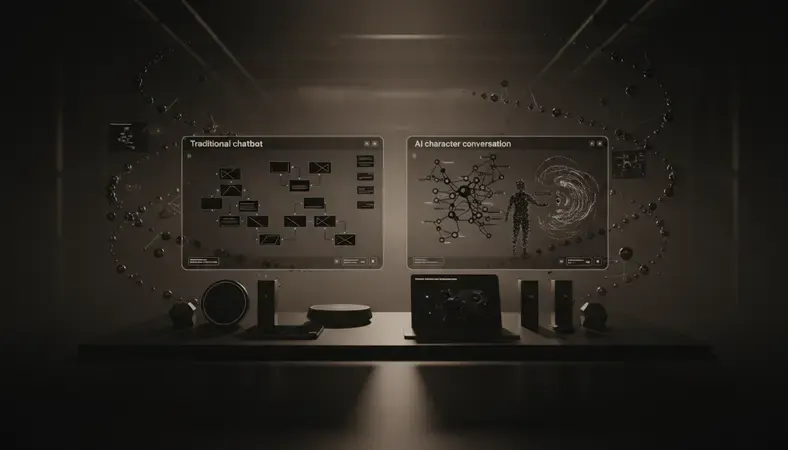
Traditional chatbots are designed for specific tasks—customer service, information retrieval, or simple transactions. They follow predetermined conversation flows and typically reset after each interaction, with no memory of previous conversations.
AI chatbot characters, by contrast, are designed for ongoing relationships. They maintain conversation history, develop deeper understanding of individual users, and can engage in open-ended discussions on virtually any topic while staying in character.
Key Differences in User Experience
- Memory: Characters remember your name, preferences, and conversation history; traditional bots typically don't
- Personality: Characters have consistent traits and speaking styles; traditional bots use generic, professional language
- Conversation Depth: Characters can discuss complex topics and emotions; traditional bots stick to their programmed functions
- Relationship Building: Characters develop ongoing relationships; traditional bots treat each interaction independently
- Flexibility: Characters can discuss any topic within safety guidelines; traditional bots have limited subject matter expertise
Customizing Your AI Chatbot Character
Most platforms allow varying degrees of character customization, from simple appearance changes to deep personality programming. The level of customization available depends on the platform and your subscription tier.
Basic Customization Options
- Appearance Settings: Avatar selection, clothing, hairstyle, and other visual elements
- Personality Sliders: Adjusting traits like friendliness, humor, intelligence, or emotional expressiveness
- Interest Areas: Defining topics the character is particularly knowledgeable about or interested in
- Communication Style: Formal vs casual, verbose vs concise, serious vs playful
- Background Story: Creating a history, profession, or fictional background for the character
Advanced Character Creation
Premium platforms often provide more sophisticated customization tools:
- Custom Training Data: Uploading specific information or conversation examples to shape personality
- Behavioral Programming: Setting specific response patterns for different situations
- Memory Management: Controlling what the character remembers and how long memories persist
- Interaction Rules: Defining boundaries, topics to avoid, or special behaviors
- Multi-Modal Features: Adding voice, images, or other media to character interactions
The key to successful character customization is starting with a clear vision of what you want from the interaction and gradually refining the character based on actual conversations.
Use Cases for AI Chatbot Characters
AI chatbot characters serve a wide range of purposes, from entertainment and companionship to education and creative collaboration. Understanding these use cases helps identify how they might fit into your life or work.
Personal and Social Applications
- Companionship: Daily conversation partners for people who are isolated, traveling, or simply want someone to talk to
- Emotional Support: Characters trained to provide encouragement, listen to problems, and offer gentle guidance
- Practice Conversations: Safe spaces to practice social skills, job interviews, or difficult conversations
- Language Learning: Native speaker characters for practicing foreign languages in natural conversation
- Creative Collaboration: Characters that help with writing, brainstorming, or artistic projects
Professional and Educational Uses
- Training Simulations: Characters representing customers, patients, or colleagues for professional skill development
- Therapeutic Applications: Carefully designed characters that support mental health treatment under professional guidance
- Educational Tutoring: Subject matter expert characters that provide personalized learning experiences
- Research and Development: Characters used to test conversation systems or study human-AI interaction
The versatility of AI chatbot characters means new applications are constantly emerging as the technology improves and becomes more accessible.
Common Questions About AI Chatbot Characters
Are AI chatbot characters safe to use?
Reputable platforms implement multiple safety measures including content filtering, conversation monitoring, and clear usage guidelines. However, users should be aware that these are AI systems, not real people, and should maintain appropriate boundaries. Most platforms prohibit harmful content and have reporting systems for problematic interactions.
Can AI chatbot characters replace human relationships?
AI chatbot characters are designed to supplement, not replace, human relationships. While they can provide companionship and emotional support, they lack the genuine empathy, unpredictability, and growth that come with human connections. They work best as tools for practice, entertainment, or support during times when human interaction isn't available.
How much do AI chatbot character platforms cost?
Most platforms offer free tiers with basic features and limited daily messages. Premium subscriptions typically range from $10-30 per month, providing unlimited conversations, faster responses, advanced customization options, and access to premium character types. Some platforms also offer pay-per-use options for occasional users.
Do AI chatbot characters actually learn and remember?
Yes, most modern AI chatbot characters maintain conversation history and can reference previous interactions. However, the extent of their "learning" varies by platform. Some update character personalities based on interactions, while others primarily use memory for context without fundamental personality changes.
Can I create my own AI chatbot character?
Many platforms allow users to create custom characters with varying degrees of complexity. Basic character creation might involve selecting personality traits and writing a description, while advanced creation could include training the character on specific conversation examples or detailed behavioral programming.
Are conversations with AI chatbot characters private?
Privacy policies vary significantly between platforms. Most store conversation data to improve the AI systems, though many claim not to share personal information with third parties. Users should review privacy policies carefully and avoid sharing sensitive personal information in conversations, regardless of platform privacy claims.
Wrapping Up
AI chatbot characters represent a fascinating evolution in artificial intelligence, offering personalized, engaging conversations that go far beyond traditional chatbot interactions. Whether you're seeking companionship, practicing social skills, exploring creative projects, or simply curious about conversational AI, these platforms provide unique opportunities to interact with consistent, memorable digital personalities.
Start chatting with AI companions at JustSext — get custom images, voice notes, and personalized content from creators designed specifically for adult conversations and intimate connections. Ready to get started? Visit JustSext to learn more.
Leave a Reply