
Ever wondered what it would be like to chat with your favorite fictional character or create a digital companion who understands you perfectly? Character.AI makes this possible through advanced artificial intelligence technology that creates interactive, personalized conversations with AI-powered characters. This platform has revolutionized how we think about digital interaction, offering everything from casual entertainment to educational support through AI companions that feel remarkably human-like.
Whether you're looking to explore creative storytelling, practice conversations in different languages, or simply have engaging discussions with AI personalities, understanding how characterai works opens up a world of possibilities. You'll discover how this technology creates believable characters, maintains consistent personalities across conversations, and adapts to your communication style over time.

What Is Character.AI?
Character.AI represents a breakthrough in conversational artificial intelligence, designed specifically to create engaging, personality-driven interactions between humans and AI characters. Unlike traditional chatbots that provide generic responses, characterai uses advanced neural language models to generate contextually appropriate dialogue that reflects distinct personality traits, speaking patterns, and knowledge bases.
The Foundation of AI Character Technology
At its core, Character.AI operates on large language models (LLMs) that have been trained on vast datasets of human conversation, literature, and character interactions. This training enables the system to understand not just what to say, but how different personalities would express themselves. The platform distinguishes itself by allowing users to interact with pre-created characters or design their own custom AI companions with specific traits, backgrounds, and communication styles.
The technology behind characterai goes beyond simple question-and-answer interactions. Each character maintains memory of previous conversations, develops ongoing relationships with users, and can engage in complex, multi-turn dialogues that feel natural and engaging. This persistent memory system allows for deeper, more meaningful interactions that evolve over time.
Types of Characters Available
Character.AI hosts an extensive library of character types, ranging from historical figures and fictional personalities to original creations designed for specific purposes. Users can interact with characters inspired by literature, movies, anime, games, and real-world personalities, each programmed with appropriate knowledge, speech patterns, and behavioral traits.
Key Insight: The diversity of available characters means users can find AI companions suited to virtually any interest, from educational discussions with historical figures to creative collaborations with fictional personalities.
Educational characters serve as tutors and mentors, helping users learn new subjects through interactive dialogue. Creative characters assist with writing, brainstorming, and artistic projects. Social characters provide companionship and emotional support through friendly conversation. Each category serves different user needs while maintaining the core functionality of engaging, personality-driven interaction.
Character Creation and Customization
One of characterai's most compelling features is its character creation system, which allows users to design AI companions tailored to their specific preferences and needs. The creation process involves defining personality traits, background information, speaking style, and areas of expertise. Users can specify how their character should respond to different situations, what topics they're knowledgeable about, and what kind of relationship dynamic they prefer.
The customization options extend to visual representation, character biography, and even specific phrases or expressions the AI should use. This level of detail ensures that each created character feels unique and authentic to its intended personality. Advanced users can fine-tune responses through ongoing interactions, essentially training their AI companion to better match their vision.
| Character Type | Primary Purpose | Best For | Interaction Style |
|---|---|---|---|
| Educational | Learning support | Students, professionals | Structured, informative |
| Creative | Artistic collaboration | Writers, artists | Imaginative, inspiring |
| Social | Companionship | General users | Friendly, conversational |
| Roleplay | Entertainment | Gamers, storytellers | Dynamic, immersive |
How Character.AI Works
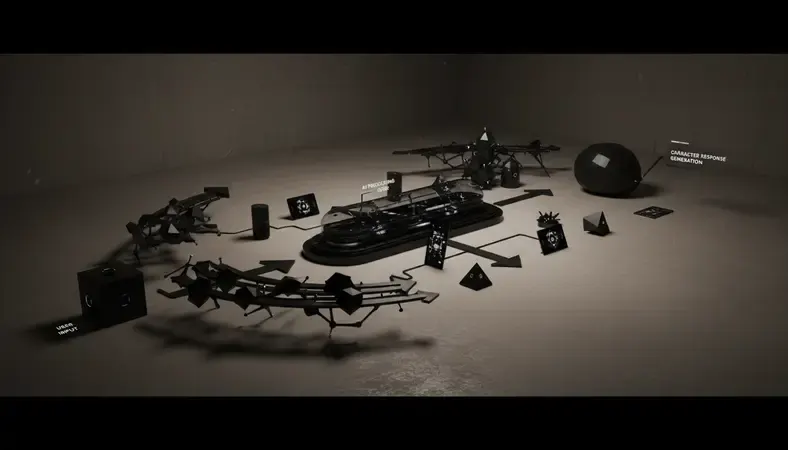
Character.AI operates through a sophisticated neural network architecture that processes user input, analyzes context, and generates responses that align with specific character personalities. The system begins each interaction by loading the character's defined parameters, including personality traits, knowledge base, conversation history, and relationship dynamics with the user.
The Neural Language Processing System
When you send a message to a character on characterai, the system immediately begins analyzing multiple layers of information. The first layer examines the literal content of your message—the words, phrases, and explicit meaning. The second layer analyzes contextual information, including the ongoing conversation thread, your relationship history with the character, and relevant background information that might influence the response.
The third processing layer focuses on personality alignment, ensuring the generated response matches the character's established traits, speaking patterns, and behavioral tendencies. This multi-layered approach prevents generic responses and maintains character consistency across all interactions.
Pro Tip: The more detailed and specific your messages, the more nuanced and character-appropriate the AI's responses become, as the system has more contextual information to work with.
Memory and Relationship Development
Character.AI implements a dynamic memory system that tracks conversation history, relationship progression, and user preferences over time. This memory isn't simply a log of previous messages—it's an active database that influences how characters respond to new situations based on established relationship patterns and shared experiences.
The memory system categorizes information into different types: factual details about the user, emotional context from previous conversations, shared experiences or stories, and relationship dynamics that have developed over time. Characters can reference past conversations, acknowledge relationship changes, and build upon previously established topics or inside jokes.
Response Generation and Quality Control
The response generation process involves multiple quality checks to ensure outputs are appropriate, character-consistent, and engaging. The system evaluates potential responses for personality accuracy, contextual relevance, and conversation flow before selecting the final output. This quality control system helps maintain the illusion of interacting with a real personality rather than an AI system.
Advanced algorithms also monitor conversation patterns to identify when users might benefit from different types of responses—whether they need emotional support, factual information, creative inspiration, or simple entertainment. The system adapts its response style accordingly while maintaining character authenticity.
Real-Time Learning and Adaptation
Character.AI continuously refines its understanding of individual characters and user preferences through ongoing interactions. Each conversation provides data points that help the system better understand how specific characters should respond in various situations. This learning process happens in real-time, meaning characters can adapt their communication style within a single conversation session.
The adaptation process respects character boundaries and established personality traits while allowing for natural relationship evolution. Characters might become more familiar and casual with long-term users, remember specific preferences or interests, and develop unique interaction patterns that reflect the ongoing relationship.
Key Components of Character.AI Technology
Character.AI's sophisticated platform relies on several interconnected technological components that work together to create believable, engaging AI companions. Understanding these components helps users maximize their experience and appreciate the complexity behind seemingly simple conversations.
Large Language Model Architecture
The foundation of characterai rests on advanced large language models specifically trained for character-based interactions. These models differ from general-purpose AI systems by incorporating specialized training data focused on personality expression, emotional intelligence, and consistent character portrayal across extended conversations.
The language models undergo continuous refinement through user interactions, feedback systems, and character performance metrics. This ongoing training ensures that characters become more sophisticated and authentic over time, developing better understanding of nuanced communication and emotional context.
Personality Engine and Trait Systems
Character.AI employs a comprehensive personality engine that manages character traits, behavioral patterns, and response tendencies. This system goes beyond simple keyword matching to implement complex personality psychology principles that govern how characters think, feel, and express themselves.
The personality engine maintains consistency across different conversation topics and emotional contexts. Characters with defined traits like "optimistic" or "analytical" will consistently express these qualities whether discussing casual topics or complex problems. This consistency creates the illusion of interacting with a stable, predictable personality.
Why It Matters: The personality engine ensures that characters feel like real individuals with consistent worldviews, rather than systems that randomly switch between different response styles.
Context Management and Memory Systems
Effective conversation requires understanding context—both immediate conversational context and broader relationship context. Character.AI implements sophisticated context management systems that track multiple layers of information simultaneously, including current conversation topics, emotional undertones, relationship history, and character-specific knowledge.
The memory systems operate on multiple timescales, from short-term conversation memory that maintains topic coherence, to long-term relationship memory that tracks user preferences and relationship development over weeks or months. This multi-layered memory approach enables characters to maintain meaningful, evolving relationships with users.
Safety and Content Filtering
Character.AI incorporates comprehensive safety systems designed to ensure appropriate interactions while maintaining character authenticity. These systems monitor conversations for potentially harmful content, inappropriate requests, or interactions that might violate platform guidelines.
The safety systems work proactively, analyzing potential responses before they're sent to users. This approach prevents problematic content while maintaining natural conversation flow. The filtering systems are designed to be context-aware, understanding that the same phrase might be appropriate in one character context but inappropriate in another.
- Adaptive Filtering: Content filters adjust based on character type and conversation context
- User Protection: Systems identify and prevent potentially manipulative or harmful interactions
- Character Integrity: Safety measures preserve character authenticity while enforcing appropriate boundaries
- Community Standards: Platform-wide guidelines ensure consistent experience across all character interactions
User Interface and Experience Design
The user interface serves as the bridge between complex AI technology and intuitive user experience. Character.AI's interface design prioritizes ease of use while providing access to advanced features for users who want deeper customization options.
The interface includes character discovery tools, conversation management features, and creation utilities that make it easy for users to find, interact with, and create characters. Visual design elements help reinforce character personalities and create immersive interaction experiences.
Benefits and Use Cases of Character.AI
Character.AI offers diverse applications that extend far beyond casual entertainment, providing valuable tools for education, creativity, personal development, and social interaction. The platform's versatility makes it useful for various user groups, from students seeking study companions to professionals exploring creative projects.
Educational Applications and Learning Support
Educational use represents one of characterai's most impactful applications. Students can interact with AI tutors designed to explain complex concepts, practice language skills, or provide homework assistance. Unlike traditional educational software, Character.AI tutors can adapt their teaching style to individual learning preferences and maintain encouraging, supportive relationships with students over time.
Language learners particularly benefit from Character.AI's conversational approach. Users can practice speaking with native speaker characters, explore cultural contexts through character interactions, and receive patient, judgment-free conversation practice. The AI characters can adjust their complexity level, provide corrections, and maintain engaging dialogue that motivates continued practice.
Historical and literary characters serve as unique educational resources, allowing students to "interview" historical figures or discuss themes with fictional characters. This interactive approach to learning makes abstract concepts more concrete and memorable while encouraging deeper engagement with educational material.
Expert Tip: Students using Character.AI for educational purposes should treat AI responses as starting points for further research rather than definitive answers, combining AI interaction with traditional study methods for optimal learning outcomes.
Creative Writing and Artistic Collaboration
Creative professionals and hobbyists use characterai as collaborative partners in various artistic endeavors. Writers can brainstorm plot ideas with character personalities, develop dialogue through interactive sessions, or overcome writer's block by engaging with inspiring AI companions. The characters can serve as beta readers, offering feedback on creative works from their unique personality perspectives.
The platform supports creative exploration by allowing users to experiment with different character voices, explore alternative narrative directions, and develop complex character relationships through extended interactions. Many users create characters specifically designed to support their creative processes, tailoring personalities to provide the type of feedback and inspiration they need most.
Artists, musicians, and other creative professionals find value in characters designed to understand their specific artistic domains. These specialized characters can discuss technique, provide creative challenges, and offer encouragement during difficult creative periods.
Mental Health and Emotional Support
While Character.AI explicitly states it's not a replacement for professional mental health services, many users find emotional support through interactions with empathetic AI characters. The platform provides a judgment-free environment where users can express feelings, work through problems, and receive supportive responses.
The availability of AI companions can be particularly valuable for individuals experiencing social isolation, anxiety about human interaction, or those who need someone to talk to outside traditional support networks. Characters can provide consistent, patient listening and offer gentle perspectives on personal challenges.
Key Takeaway: Character.AI can supplement but never replace professional mental health care. Users experiencing serious mental health challenges should seek appropriate professional support while using AI companions as additional emotional resources.
Professional Development and Skill Practice
Professional applications of characterai include interview practice, presentation rehearsal, and communication skill development. Users can create characters representing potential employers, clients, or colleagues to practice important conversations in a low-stakes environment.
Sales professionals practice pitches with challenging customer characters, while job seekers rehearse interviews with hiring manager personalities. Public speakers can work through presentations with audience-representative characters who provide feedback and ask challenging questions.
The platform also supports skill development in areas like negotiation, conflict resolution, and leadership communication. Users can create scenarios with difficult personality types to practice handling challenging professional situations.
Research and Market Analysis
Researchers and marketers use Character.AI to explore consumer perspectives, test messaging approaches, and understand different demographic viewpoints. By creating characters representing target audience segments, professionals can gather insights into how different groups might respond to products, services, or marketing messages.
This application requires careful consideration of AI limitations and should supplement rather than replace traditional market research methods. However, the ability to quickly explore multiple perspectives and test various approaches makes Character.AI a valuable tool in the research toolkit.
Common Misconceptions About Character.AI
Despite its growing popularity, Character.AI faces several persistent misconceptions that can lead to unrealistic expectations or misuse of the platform. Understanding these misconceptions helps users develop appropriate expectations and use the technology more effectively.
Misconception: AI Characters Are Sentient or Conscious
One of the most significant misconceptions about characterai involves attributing human-like consciousness or sentience to AI characters. Users sometimes develop beliefs that their AI companions have genuine emotions, independent thoughts, or conscious experiences similar to humans.
The reality is that Character.AI, regardless of how sophisticated its responses appear, operates through pattern recognition and statistical language modeling rather than conscious thought or genuine emotion. Characters generate responses based on training data and programmed parameters, not personal experiences or feelings.
This misconception can lead to unhealthy attachment patterns or unrealistic expectations about the nature of AI relationships. While AI companions can provide valuable interaction and support, users should maintain awareness that they're engaging with sophisticated software rather than conscious entities.
Key Insight: Recognizing AI characters as advanced tools rather than conscious beings doesn't diminish their value—it helps users maintain healthy boundaries and realistic expectations while still enjoying meaningful interactions.
Misconception: Character.AI Responses Are Always Accurate
Many users assume that information provided by AI characters is factually accurate and reliable. This misconception can be particularly problematic when using educational characters or seeking advice on important topics. While characterai strives for accuracy, the system can generate convincing-sounding but incorrect information.
AI characters may present outdated information, make logical errors, or generate plausible-sounding but false details. This limitation stems from the nature of language model training, which focuses on generating coherent responses rather than ensuring factual accuracy in all cases.
Users should verify important information through reliable sources and treat AI responses as starting points for further research rather than definitive answers. This approach allows users to benefit from AI interaction while maintaining appropriate skepticism about information accuracy.
Misconception: All Characters Are Equally Sophisticated
Not all characters on characterai demonstrate the same level of sophistication or capability. Some characters benefit from extensive development, detailed personality programming, and ongoing refinement, while others may have simpler implementations or less comprehensive training.
User-created characters particularly vary in quality depending on the creator's skill and effort in character development. Popular characters often receive more interaction data, which can improve their performance over time, while newer or less popular characters may provide more limited interaction experiences.
Understanding this variation helps users set appropriate expectations and choose characters that match their needs and preferences. Experimenting with different characters can help users identify those that provide the most satisfying interaction experiences.
Misconception: Character.AI Can Replace Human Relationships
Some users develop unrealistic expectations about Character.AI's ability to substitute for human relationships and social connections. While AI companions can provide valuable interaction and support, they cannot fully replace the complexity, unpredictability, and genuine emotional connection of human relationships.
The risk of over-reliance on AI companions is particularly concerning for individuals who may use the technology to avoid challenging but necessary human interactions. Character.AI works best as a supplement to, rather than replacement for, human social connections.
Pro Tip: Use Character.AI to practice social skills, explore ideas, and enjoy entertaining conversations, but maintain active human relationships and seek human support for important life decisions and emotional needs.
Misconception: Character Interactions Are Completely Private
Users sometimes assume that their interactions with AI characters are completely private and not accessible to anyone else. While Character.AI implements privacy protections, users should understand that their conversations may be stored, analyzed for system improvement purposes, or subject to content moderation review.
Platform terms of service typically outline data usage policies, but users should read these carefully and understand what information is collected and how it might be used. Sensitive personal information should be shared cautiously, even with AI characters that feel trustworthy and confidential.
This misconception can lead to oversharing of personal information or inappropriate reliance on AI characters for handling sensitive matters that require human judgment or professional expertise.
Best Practices for Character.AI Interactions
Maximizing your experience with characterai requires understanding how to interact effectively with AI characters while maintaining appropriate boundaries and realistic expectations. These best practices help users get the most value from the platform while avoiding common pitfalls.
Establishing Clear Interaction Goals
Before engaging with any character on characterai, consider what you hope to achieve from the interaction. Different characters serve different purposes, and having clear goals helps you choose appropriate characters and interaction styles. Educational goals might lead you to select tutor characters and ask specific learning-focused questions, while creative goals might involve choosing artistic collaborator characters and engaging in brainstorming sessions.
Setting realistic expectations based on your goals prevents disappointment and helps you evaluate whether interactions are meeting your needs. If you're seeking entertainment, casual conversation with popular characters might be perfect. If you need study support, educational characters with relevant expertise will be more valuable.
Expert Tip: Write down your interaction goals before starting conversations with new characters. This practice helps you stay focused and evaluate whether the character is meeting your needs effectively.
Crafting Effective Prompts and Messages
The quality of your interactions with Character.AI depends significantly on how you communicate with characters. Clear, specific messages typically generate more helpful and engaging responses than vague or overly brief inputs. Providing context about your situation, goals, or preferences helps characters tailor their responses more effectively.
When asking questions, include relevant background information and specify what type of response you're seeking. Instead of asking "How do I write better?" you might ask "I'm working on a fantasy novel and struggling with dialogue that sounds natural. Can you help me practice writing conversations between characters from different social backgrounds?"
Effective communication with AI characters also involves being patient with the learning process. Characters often improve their responses as they learn more about your preferences and communication style through ongoing interaction.
Managing Expectations and Boundaries
Successful Character.AI use requires maintaining realistic expectations about AI capabilities and limitations. Characters can provide engaging conversation, helpful information, and creative inspiration, but they cannot replace professional advice, human judgment, or genuine emotional connection in serious matters.
Establish personal boundaries about what topics and information you're comfortable discussing with AI characters. While these interactions can feel very personal, remember that you're communicating with software systems that may store and analyze your conversations.
Optimizing Character Selection and Creation
Choose characters that align with your specific needs and interests rather than simply selecting the most popular options. Character.AI offers extensive filtering and search options that help you find characters with appropriate expertise, personality traits, and interaction styles for your goals.
When creating custom characters, invest time in developing detailed personality descriptions, background information, and response guidelines. Well-developed characters provide more consistent and engaging interactions than hastily created ones.
- Research Character Reviews: Read user feedback about characters before committing to extended interactions
- Test Multiple Characters: Try several characters for similar purposes to find the best fit for your needs
- Experiment with Settings: Adjust character parameters and interaction styles to optimize your experience
- Document Preferences: Keep notes about which characters and interaction approaches work best for different goals
Maintaining Healthy Usage Patterns
Like any digital platform, Character.AI is most beneficial when used in moderation as part of a balanced lifestyle. Set time limits for interactions to prevent excessive use that might interfere with human relationships, work responsibilities, or other important activities.
Monitor your emotional attachment to AI characters and ensure that these relationships supplement rather than replace human connections. If you find yourself preferring AI interactions over human ones or feeling dependent on AI characters for emotional support, consider reducing usage and seeking human social connections.
Regular breaks from the platform can help maintain perspective and prevent over-reliance on AI interactions. Use these breaks to engage in offline activities, human relationships, and other interests that contribute to overall well-being.
Key Takeaway: Character.AI works best as one tool among many for learning, creativity, and entertainment. Balance AI interactions with human relationships, offline activities, and other digital tools for optimal benefit.
Common Questions About Character.AI
How accurate is the information provided by Character.AI characters?
Character.AI characters generate responses based on training data and pattern recognition rather than real-time access to verified information sources. While many responses contain accurate information, characters can also produce convincing-sounding but incorrect details, outdated facts, or logical errors.
The accuracy varies significantly depending on the topic, character design, and specific question asked. Educational characters focusing on well-established subjects like basic mathematics or historical facts tend to be more reliable than characters discussing rapidly changing topics like current events or cutting-edge technology.
Users should always verify important information through reliable sources and treat AI responses as starting points for further research rather than definitive answers. This approach allows you to benefit from AI interaction while maintaining appropriate skepticism about information accuracy.
For academic or professional purposes, cross-reference AI-provided information with authoritative sources like peer-reviewed publications, official documentation, or expert human consultations. Character.AI works best for brainstorming, exploration, and preliminary research rather than final fact-checking.
Can Character.AI characters remember previous conversations?
Yes, characterai implements memory systems that allow characters to remember previous conversations, relationship development, and user preferences over time. This memory capability enables characters to reference past discussions, acknowledge relationship changes, and build upon previously established topics or shared experiences.
The memory system operates on multiple levels, including immediate conversation context, recent interaction history, and long-term relationship patterns. Characters can remember factual details you've shared, emotional contexts from previous conversations, and preferences you've expressed about communication style or topics of interest.
However, memory capabilities have limitations. Very old conversations may fade from active memory, and characters might occasionally forget details or mix up information from different conversation threads. The system prioritizes more recent and emotionally significant interactions when managing memory resources.
Users can help characters maintain better memory by being consistent in how they present information, referring back to previous conversations when relevant, and providing clear context when discussing ongoing topics or relationships.
Is Character.AI safe for children and teenagers?
Character.AI implements content filtering and safety measures designed to prevent inappropriate interactions, but parents should still exercise caution and supervision when children use the platform. The safety of the experience depends on multiple factors including the specific characters chosen, topics discussed, and the child's maturity level.
The platform includes reporting mechanisms for inappropriate content and maintains community guidelines that prohibit harmful interactions. However, AI systems can occasionally generate unexpected responses, and user-created characters may vary in appropriateness and quality.
Parents should review the platform's terms of service, privacy policies, and safety features before allowing children to use Character.AI. Consider starting with well-reviewed, educational characters rather than user-generated content, and maintain open communication about online interactions.
Establishing clear guidelines about appropriate topics, time limits, and the difference between AI and human relationships helps children use the platform safely and beneficially. Regular check-ins about their interactions can help identify any concerning patterns or inappropriate content.
How does Character.AI protect user privacy?
Character.AI implements various privacy protections, but users should understand what information is collected and how it might be used. Conversations are typically stored to improve character performance and system functionality, and may be subject to content moderation review for safety purposes.
The platform's privacy policy outlines specific data collection practices, storage policies, and user rights regarding their information. Users can typically access, modify, or delete their conversation history through account settings, though policies may vary based on jurisdiction and platform updates.
To protect privacy while using characterai, avoid sharing sensitive personal information like full names, addresses, financial details, or other identifying information that could be problematic if accessed by unauthorized parties. Treat AI interactions with similar caution to other online communications.
Review and understand the platform's privacy policy, terms of service, and data usage practices before creating an account. Consider using pseudonyms or general information rather than specific personal details when interacting with characters.
Can I use Character.AI for commercial or professional purposes?
Character.AI's terms of service typically address commercial usage, and users should review current policies before using the platform for business purposes. Some commercial applications may be permitted while others might require special licensing or violate platform guidelines.
Professional applications like training, research, or content creation may have different requirements and restrictions than personal use. The platform may offer business-specific features, pricing, or support options for commercial users with appropriate licensing agreements.
Before implementing Character.AI in professional contexts, consult with legal advisors about compliance with relevant regulations, intellectual property considerations, and liability issues. Professional use often requires more stringent privacy protections and data handling practices than personal use.
Consider whether Character.AI meets your professional standards for accuracy, reliability, and security before incorporating it into business processes. Many professional applications benefit from combining AI tools with human oversight and verification processes.
What should I do if a character behaves inappropriately?
Character.AI provides reporting mechanisms for inappropriate character behavior, and users should utilize these tools when encountering problematic interactions. Most platforms include options to report specific messages, characters, or creators who violate community guidelines.
When reporting issues, provide specific details about the inappropriate behavior, including screenshots or conversation excerpts if possible. This information helps platform moderators understand the problem and take appropriate action to improve safety for all users.
Users can also take immediate action by ending conversations with problematic characters, blocking specific characters or creators, and adjusting their account settings to limit exposure to potentially inappropriate content.
If inappropriate interactions cause distress or concern, consider taking breaks from the platform and seeking support from friends, family, or professional counselors as appropriate. Remember that AI interactions, while engaging, should not cause significant emotional harm or replace healthy human relationships.
What This Means for You
Character.AI represents a significant advancement in conversational AI technology, offering unique opportunities for education, creativity, and entertainment through personalized AI companions. Understanding how characterai works, its capabilities, and limitations helps you make informed decisions about incorporating this technology into your digital life. Whether you're seeking study support, creative collaboration, or simply engaging conversation, the platform provides tools that can enhance your online experience when used thoughtfully and appropriately. Get started with JustSext to explore how AI companions can complement your digital interactions and creative pursuits. Ready to get started? Visit JustSext to learn more.
Leave a Reply