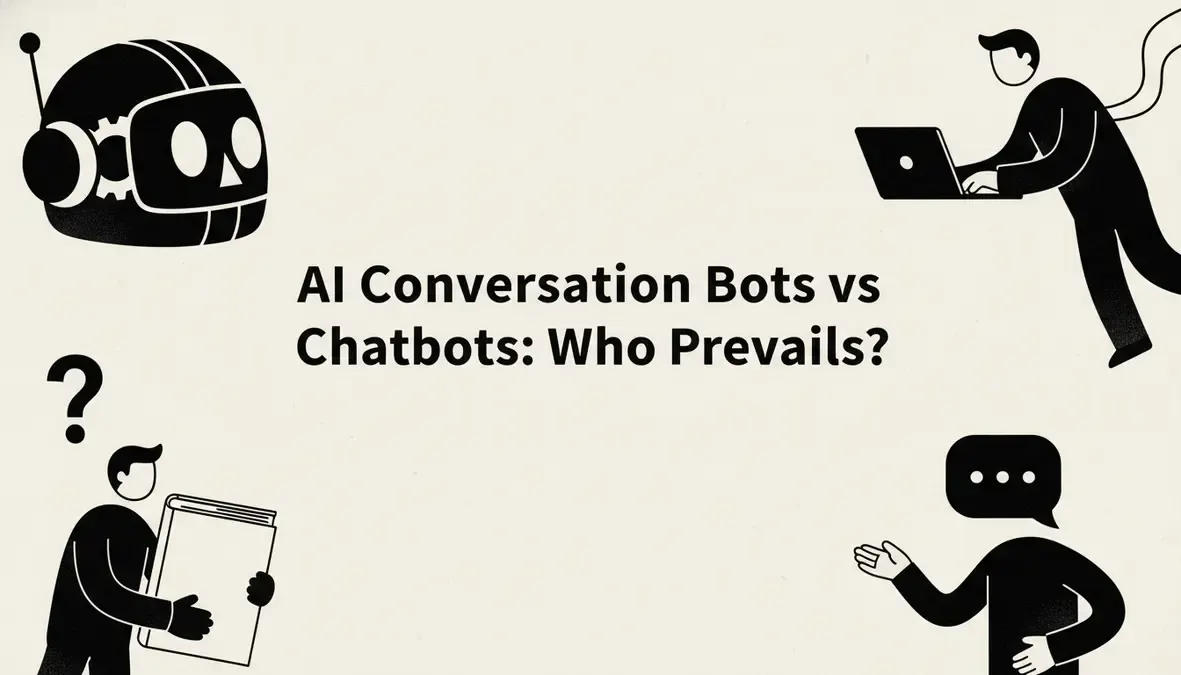
AI conversation bots have completely transformed how we interact with automated systems. Unlike traditional rule-based chatbots that follow rigid scripts, AI conversation bots use machine learning to understand context, remember previous interactions, and generate human-like responses. If you're deciding between implementing an AI conversation bot or sticking with traditional chatbots, this comparison breaks down exactly when each option makes sense.
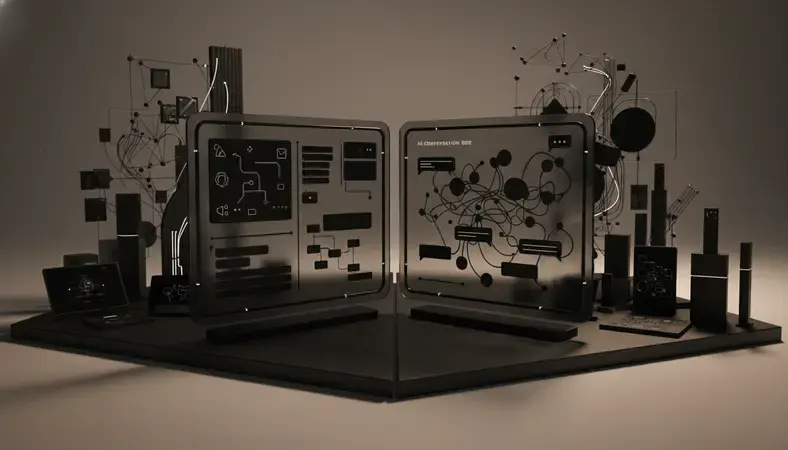
What Is an AI Conversation Bot?
An AI conversation bot is an artificial intelligence system designed to engage in natural, contextual conversations with users. These bots use advanced natural language processing (NLP) and machine learning algorithms to understand user intent, maintain conversation context, and generate appropriate responses that feel genuinely human.
The key difference lies in adaptability. While traditional chatbots follow predetermined decision trees, AI conversation bots learn from each interaction and can handle unexpected questions or requests outside their original programming.
Key Insight: AI conversation bots don't just respond to keywords—they understand the meaning behind what users are saying and can maintain context across multiple exchanges.
How AI Conversation Bots Work
AI conversation bots operate through several sophisticated layers working together:
- Natural Language Understanding (NLU): Processes user input to extract meaning, intent, and relevant entities
- Context Management: Maintains conversation history and understands references to previous exchanges
- Response Generation: Creates appropriate replies using large language models trained on vast datasets
- Learning Mechanisms: Continuously improves through user interactions and feedback loops
The magic happens when these components work together. When you ask an AI conversation bot "What's the weather like?" followed by "How about tomorrow?", it understands that "tomorrow" refers to tomorrow's weather forecast—something traditional chatbots struggle with.

AI Conversation Bot vs Traditional Chatbots
Comparison of Chatbot Technologies
| Feature | Traditional Chatbot | AI Conversation Bot |
|---|---|---|
| Response Method | Rule-based decision trees | Machine learning and NLP |
| Context Awareness | Limited to current exchange | Maintains full conversation history |
| Flexibility | Rigid, predetermined paths | Adaptive, handles unexpected queries |
| Setup Complexity | Simple configuration | Requires training and tuning |
| Cost | Lower initial investment | Higher development and operational costs |
| Accuracy | High for scripted scenarios | High for natural conversations |
The fundamental difference comes down to intelligence versus efficiency. Traditional chatbots excel at handling straightforward, predictable interactions quickly and cost-effectively. AI conversation bots shine when dealing with complex, nuanced conversations that require understanding and adaptation.
When Traditional Chatbots Still Win
Traditional chatbots remain the better choice for specific scenarios:
- Simple FAQ handling: When users need quick answers to common questions
- Form collection: Gathering structured information like contact details or preferences
- Menu navigation: Helping users find specific pages or information on websites
- Budget constraints: When cost is the primary concern and interactions are predictable
When AI Conversation Bots Excel
AI conversation bots become essential when you need:
- Complex problem-solving: Handling multi-step issues that require back-and-forth dialogue
- Personalized experiences: Adapting responses based on user history and preferences
- Natural conversation flow: Creating interactions that feel genuinely human
- Emotional intelligence: Understanding and responding to user sentiment and tone
Types of AI Conversation Bots
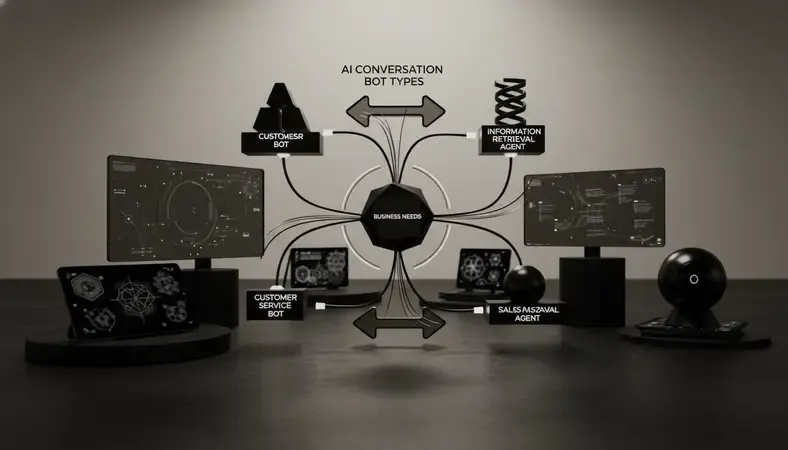
The AI conversation bot landscape includes several distinct categories, each optimized for different use cases:
Customer Service Bots
These bots handle support tickets, troubleshoot problems, and escalate complex issues to human agents. They excel at understanding customer frustration and providing empathetic responses while working toward solutions.
Sales and Lead Generation Bots
Designed to qualify prospects, answer product questions, and guide potential customers through the sales funnel. They can adapt their approach based on user responses and buying signals.
Personal Assistant Bots
These comprehensive AI systems help with scheduling, reminders, information lookup, and task management. They learn user preferences over time and proactively offer assistance.
Specialized Industry Bots
Healthcare bots for symptom checking, financial bots for account management, and educational bots for personalized learning all represent AI conversation bots trained for specific domains.
Best AI Conversation Bots Available
The market offers several standout AI conversation bot platforms, each with distinct strengths:
Enterprise-Level Solutions
- ChatGPT API Integration: Offers the most advanced conversational abilities but requires custom development
- Microsoft Bot Framework: Provides robust enterprise features with Azure integration
- Google Dialogflow CX: Excels at complex conversation flows with strong analytics
Small Business Options
- Chatfuel: User-friendly platform with AI capabilities and social media integration
- ManyChat: Strong marketing automation features combined with conversational AI
- Tidio: Affordable option that blends live chat with AI conversation capabilities
Specialized Platforms
- Ada: Focuses specifically on customer service with advanced resolution tracking
- Drift: Sales-oriented conversational AI with strong lead qualification features
- Intercom: Combines customer support and marketing automation in one platform

Use Cases for AI Conversation Bots
AI conversation bots excel across numerous applications where natural dialogue creates better user experiences:
E-commerce and Retail
Online stores use AI conversation bots to provide personalized product recommendations, handle returns and exchanges, and guide customers through complex purchase decisions. These bots can understand preferences like "I need a gift for my tech-savvy brother under $100" and provide relevant suggestions.
Healthcare and Wellness
Medical practices deploy AI conversation bots for appointment scheduling, symptom pre-screening, and medication reminders. The bots can ask follow-up questions to gather complete information while maintaining a caring, professional tone.
Financial Services
Banks and fintech companies use AI conversation bots for account inquiries, fraud detection, and financial advice. These bots can explain complex financial products in simple terms and adapt explanations based on user knowledge level.
Education and Training
Educational institutions implement AI conversation bots as tutoring assistants, course advisors, and administrative helpers. They can adjust their teaching style based on student responses and learning patterns.
How to Choose an AI Conversation Bot
Selecting the right AI conversation bot requires evaluating several critical factors:
Define Your Requirements
Start by identifying specific use cases and conversation complexity levels you need to handle. Simple FAQ responses might not justify an advanced AI solution, while complex customer service scenarios definitely do.
Evaluate Integration Capabilities
Consider how the bot will connect with your existing systems—CRM, helpdesk, e-commerce platform, or databases. Seamless integration prevents data silos and enables more personalized interactions.
Assess Training Requirements
Different platforms require varying levels of training data and ongoing maintenance. Some offer pre-trained models for common use cases, while others require extensive customization.
Budget for Total Cost of Ownership
Factor in development costs, monthly platform fees, API usage charges, and ongoing training expenses. The cheapest option initially might become expensive as usage scales.
Test Conversation Quality
Most platforms offer free trials or demos. Test how well they handle your specific conversation scenarios, including edge cases and unexpected user inputs.
Common Questions About AI Conversation Bots
What's the difference between chatbot AI and conversational AI?
Chatbot AI typically refers to basic automated chat systems that may use simple AI for keyword recognition. Conversational AI represents more advanced systems that understand context, maintain dialogue state, and generate human-like responses. Think of chatbot AI as the broader category, with conversational AI being the more sophisticated subset.
Can AI conversation bots replace human customer service?
AI conversation bots excel at handling routine inquiries, providing 24/7 availability, and qualifying issues before human handoff. However, they work best as part of a hybrid approach where complex emotional situations, nuanced problem-solving, and relationship building remain with human agents.
How do I know if my business needs an AI conversation bot?
Consider an AI conversation bot if you're dealing with high conversation volume, need 24/7 availability, want to provide personalized experiences, or find that traditional chatbots can't handle your users' questions effectively. The investment makes sense when conversation complexity justifies the additional capabilities.
What makes the best AI chatbot app different from others?
The best AI chatbot apps distinguish themselves through superior natural language understanding, robust context management, seamless integration capabilities, and continuous learning from interactions. They also provide comprehensive analytics to help you understand user behavior and improve conversation flows.
Are there good free AI chatbot options?
Several platforms offer free tiers with limited functionality, including basic versions of Chatfuel, ManyChat, and some open-source solutions. However, truly advanced conversational AI capabilities typically require paid plans due to the computational resources needed for natural language processing.
How do AI conversation bots learn and improve?
AI conversation bots improve through multiple mechanisms: analyzing successful conversation patterns, learning from user feedback, processing new training data, and adapting to changing user behavior. The best systems combine supervised learning from human feedback with unsupervised learning from conversation logs to continuously enhance their performance.
Key Takeaways
AI conversation bots represent a significant evolution beyond traditional chatbots, offering natural dialogue capabilities that create genuinely helpful user experiences. Choose traditional chatbots for simple, predictable interactions where cost matters most. Invest in AI conversation bots when you need context awareness, personalization, and the ability to handle complex conversations.
Experience advanced AI conversation technology at JustSext — chat instantly with AI companions that understand context, remember your preferences, and provide personalized interactions that feel genuinely human. Ready to get started? Visit JustSext to learn more.
Leave a Reply